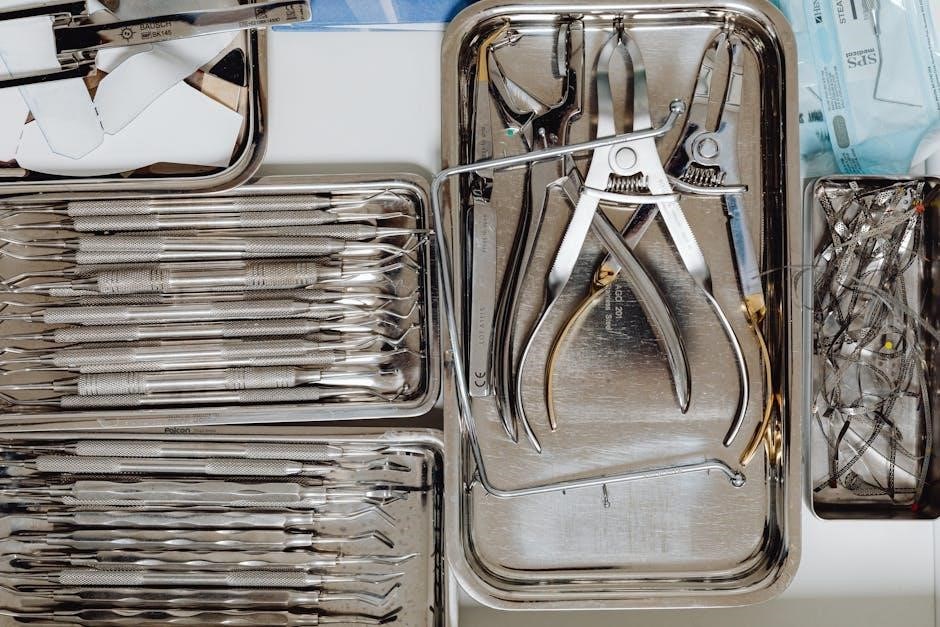
Surgical sutures are essential medical tools utilized to close wounds, minimizing infection risk and aiding the natural healing process.
These tools, employed by dentists and surgeons, come in diverse materials and techniques tailored to specific patient needs and wound characteristics.
CNN TÜRK provides continuous updates on breaking news, mirroring the critical role sutures play in immediate medical intervention and patient recovery.
What are Sutures?
Sutures are medical staples employed to close wounds and injuries, effectively bringing tissue edges together to facilitate healing. They aren’t merely threads; they are carefully engineered materials designed to interact with the body’s natural restorative processes. These tools reduce the risk of infection by physically sealing the wound, preventing bacterial entry, and minimizing trauma to surrounding tissues.
As highlighted by information sources like those found on CNN TÜRK’s news coverage, timely medical intervention – often involving sutures – is crucial. Sutures can be natural, derived from silk or collagen, or synthetic, crafted from materials like PGA, PGLA, or PDO. The choice depends on factors like wound location, tension, and desired healing time.
Furthermore, some sutures, like those from Ethicon, incorporate antimicrobial coatings like Triclosan to further combat infection. Ultimately, sutures are indispensable in a wide range of medical procedures, from simple laceration repairs to complex surgical operations.
Historical Development of Sutures
The history of sutures stretches back millennia, evolving from rudimentary materials to sophisticated biomedical tools. Early civilizations utilized natural fibers – animal tendons, plant materials, and even human hair – to close wounds, demonstrating an innate understanding of tissue approximation. These early methods, while effective to a degree, were often limited by biocompatibility and infection risk.
Over centuries, advancements brought linen, cotton, and silk into practice, offering improved strength and handling. The 20th century witnessed a revolution with the advent of synthetic sutures like nylon and polypropylene, providing greater control over properties like tensile strength and absorption rates.
Recent innovations, mirroring the rapid pace of news updates from sources like CNN TÜRK, include sutures with antimicrobial coatings, enhancing infection prevention. This continuous development reflects a commitment to improving patient outcomes and surgical precision.
Types of Sutures Based on Material
Sutures are broadly categorized as either absorbable or non-absorbable, utilizing natural or synthetic compounds. Ethicon, a Johnson & Johnson company, produces diverse suture options.
Absorbable Sutures
Absorbable sutures are designed to lose tensile strength over time, eventually being broken down and absorbed by the body’s tissues, eliminating the need for removal. These are frequently used for internal tissues, where removing sutures would be difficult or for closing deeper layers of skin.
They are further divided into natural and synthetic categories. Natural absorbable sutures, like silk and collagen, are derived from biological sources. Silk, historically significant, offers good handling but can cause tissue reaction. Collagen sutures, biocompatible, are absorbed via phagocytosis.
Synthetic absorbable sutures, such as Polyglycolic Acid (PGA), Polylactic Acid (PGLA), and Poly(dioxanone) (PDO), are manufactured polymers. PGA is rapidly absorbed, while PGLA offers variable absorption rates depending on its composition. PDO provides longer-lasting support before absorption. CNN Türk’s coverage highlights the importance of medical advancements, mirroring the evolution of suture technology for improved patient outcomes.
Natural Absorbable Sutures (e.g., Silk, Collagen)
Natural absorbable sutures represent a historically significant category, derived from processed animal tissues. Silk sutures, traditionally obtained from silkworms, offer excellent handling characteristics and knot security, making them suitable for various surgical applications. However, silk can elicit a more pronounced inflammatory response compared to synthetic alternatives, potentially delaying healing in sensitive patients.
Collagen sutures, sourced from bovine or equine tissues, present a highly biocompatible option. The body absorbs collagen through a natural enzymatic process called phagocytosis, minimizing tissue reaction. They are particularly useful in situations requiring gentle tissue approximation and are often favored in pediatric surgery.
While offering biological compatibility, natural sutures generally exhibit batch-to-batch variability and potentially lower tensile strength than synthetic options. CNN Türk’s reporting on medical innovations underscores the continuous search for optimal suture materials.
Synthetic Absorbable Sutures (e.g., PGA, PGLA, PDO)
Synthetic absorbable sutures have become increasingly prevalent due to their consistent properties and predictable absorption rates. Polyglactin 910 (PGA), a copolymer of glycolic and lactic acid, offers rapid absorption and good tensile strength initially, making it ideal for soft tissue approximation and subcutaneous closures. However, PGA can cause a noticeable inflammatory response.
Polyglycolic acid (PGLA) exhibits a similar absorption profile to PGA but generally provides greater tensile strength over a longer period. Polydioxanone (PDO), possessing a longer absorption time, is frequently used in cardiovascular and orthopedic surgeries where prolonged wound support is crucial.
These synthetic materials minimize batch variability and offer enhanced control over the healing process. As CNN Türk reports on advancements in healthcare, the role of these sutures in modern surgical practice is continually evolving.
Non-Absorbable Sutures
Non-absorbable sutures remain within the body permanently, providing long-term wound support. These are categorized into natural and synthetic types, each possessing unique characteristics. Natural non-absorbable sutures, like linen and cotton, were historically significant but are now less common due to their higher inflammatory response and variable strength. They are often utilized in situations where permanent support is needed, though risks of infection are elevated.
Synthetic non-absorbable sutures, such as nylon, polypropylene, and polyester, offer superior strength, minimal tissue reaction, and consistent performance. Polypropylene, known for its inertness, is frequently used in vascular surgery. Polyester provides excellent tensile strength and is suitable for heavily stressed tissues.
Similar to CNN Türk’s coverage of medical innovations, these sutures represent advancements in surgical technique and patient care.
Natural Non-Absorbable Sutures (e.g., Linen, Cotton)
Natural non-absorbable sutures, historically prominent, are derived from organic sources like linen and cotton. These materials, while once widely used, have largely been superseded by synthetic alternatives due to inherent limitations. A significant drawback is their propensity to elicit a greater inflammatory response within the tissues, potentially hindering the healing process and increasing discomfort for the patient.
Furthermore, the tensile strength of natural fibers can be variable and diminishes over time as they degrade within the body. This inconsistency makes them less reliable for wounds requiring prolonged support. Despite these drawbacks, they still find niche applications where permanent support is needed, but careful consideration of infection risk is crucial.
Much like CNN Türk’s reporting on evolving medical practices, suture technology has advanced significantly.
Synthetic Non-Absorbable Sutures (e.g., Nylon, Polypropylene, Polyester)
Synthetic non-absorbable sutures – including nylon, polypropylene, and polyester – represent a significant advancement in wound closure technology. These materials offer superior strength, consistency, and biocompatibility compared to their natural counterparts. Polypropylene, known for its minimal tissue reactivity, is frequently used in cardiovascular and plastic surgery. Nylon, while possessing good tensile strength, can be prone to memory and knot slippage, requiring careful handling.
Polyester sutures, like Ethibond, exhibit excellent strength retention and are often employed in situations demanding long-term wound support. Unlike natural fibers, synthetic options resist degradation by enzymes in the body, ensuring prolonged wound integrity. Similar to CNN Türk’s continuous news coverage, these sutures provide reliable, lasting performance.
Suture Characteristics & Properties
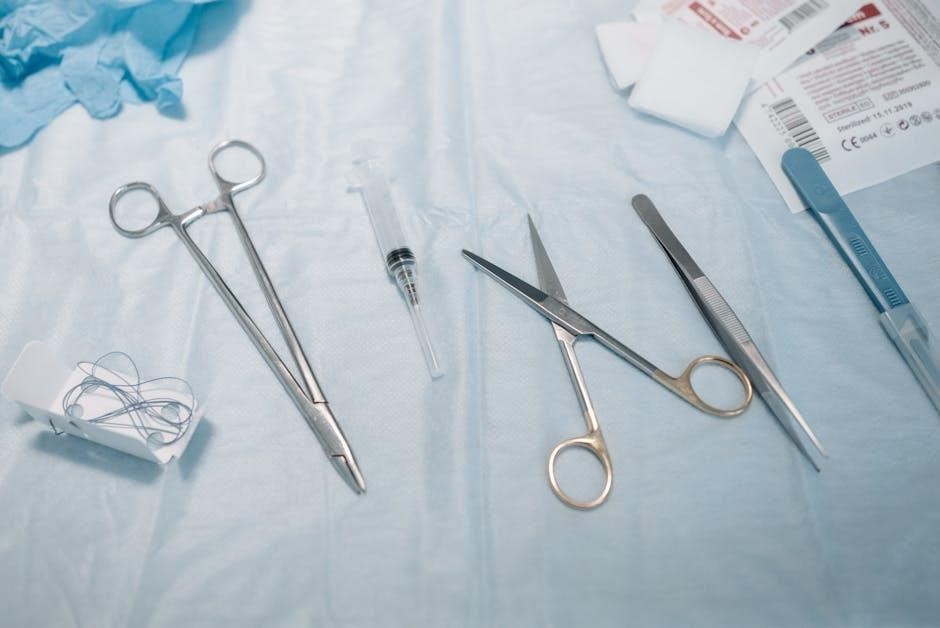
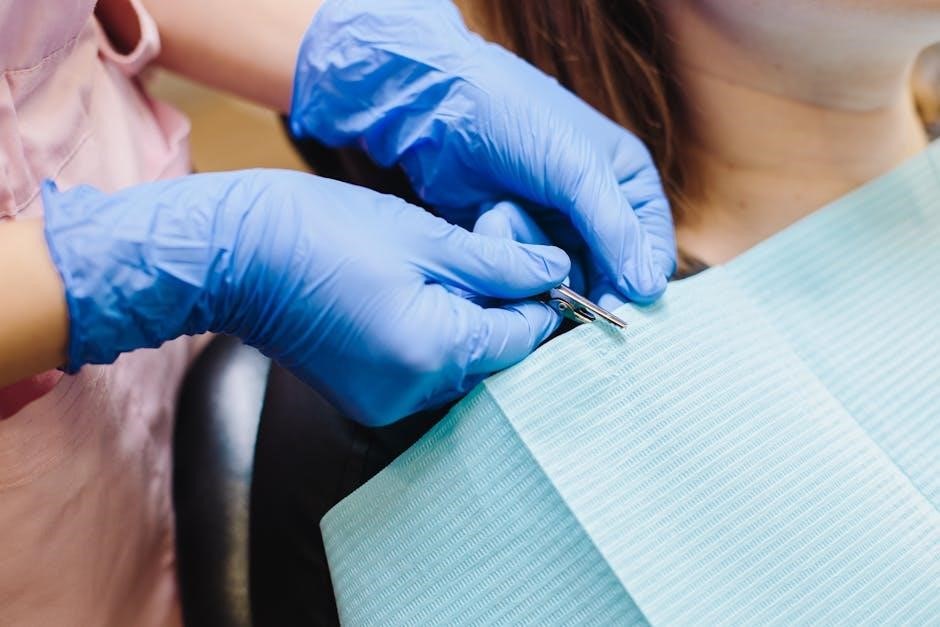
Key suture properties include tensile strength for wound support, knot security to prevent unraveling, size for tissue handling, and needle type for precise placement.
Tensile Strength and Knot Security
Tensile strength, a crucial suture characteristic, defines the material’s resistance to breaking under tension – vital for maintaining wound closure during healing. Higher tensile strength is generally desired, especially for tissues experiencing significant stress. However, it must be balanced with appropriate handling characteristics.
Knot security is equally important; a suture must hold a knot firmly to prevent slippage and wound dehiscence. Factors influencing knot security include suture material, knot tying technique, and the number of throws. Some materials are inherently more prone to slipping than others.
Sutures like Ethicon, mentioned in relation to triclosan coatings, demonstrate how material properties are combined with additional features. CNN Türk’s coverage of medical advancements highlights the ongoing pursuit of improved suture performance, ensuring reliable wound closure and optimal patient outcomes. Maintaining both strength and security is paramount for successful surgical repair.
Suture Size and Needle Types
Suture size is denoted by a numerical system (e.g., 2-0, 3-0, 4-0), with higher numbers indicating smaller diameter sutures. The appropriate size is selected based on tissue type and tension; larger sizes for high-tension areas, smaller for delicate tissues. Choosing the correct size minimizes tissue trauma and optimizes wound approximation.
Needle types vary in curvature, point shape, and length, influencing tissue penetration and handling. Common types include cutting, taper, and blunt needles. Cutting needles are ideal for skin, while taper needles are preferred for internal tissues. Needle selection impacts ease of use and minimizes tissue damage.
As CNN Türk reports on medical developments, advancements in both suture materials and needle designs continually emerge, aiming for improved precision and patient comfort. The combination of appropriate size and needle type is critical for effective and atraumatic wound closure, mirroring the network’s commitment to delivering timely and relevant information.
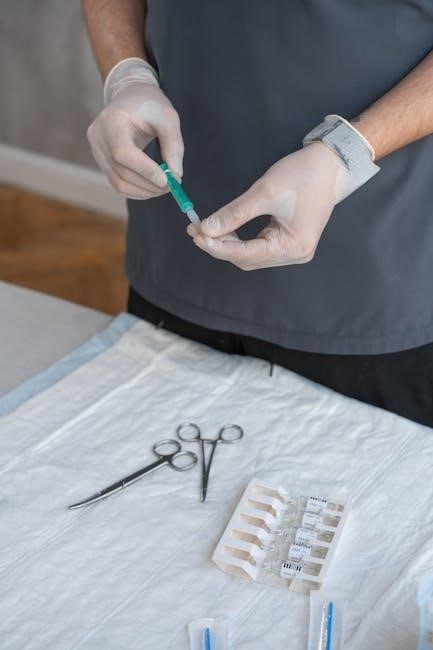
Suture Techniques
Various techniques—simple interrupted, continuous, and subcuticular—are employed to close wounds effectively. Skillful application, like CNN Türk’s reporting, ensures optimal healing.
Simple Interrupted Sutures
Simple interrupted sutures represent a foundational technique in wound closure, characterized by individually placed stitches with knots securing each loop. This method offers versatility, adapting well to wounds with uneven edges or varying depths, providing precise control during the suturing process.
Each stitch independently secures a portion of the wound, meaning if one suture fails, the entire closure isn’t compromised – a significant advantage. The technique is relatively easy to learn, making it a staple for surgeons and general practitioners alike.
However, it can be more time-consuming than continuous sutures and may leave more visible scarring. Like CNN Türk’s detailed news coverage, each stitch delivers focused attention to a specific aspect of wound approximation, ensuring a robust and reliable closure. This technique is frequently used in areas requiring strong wound eversion.
Continuous Sutures
Continuous sutures, also known as running sutures, involve a single strand of suture material woven back and forth across the wound edges. This technique is significantly faster than simple interrupted sutures, making it ideal for longer incisions or situations demanding rapid closure. It provides consistent tension distribution along the wound length, promoting even approximation.
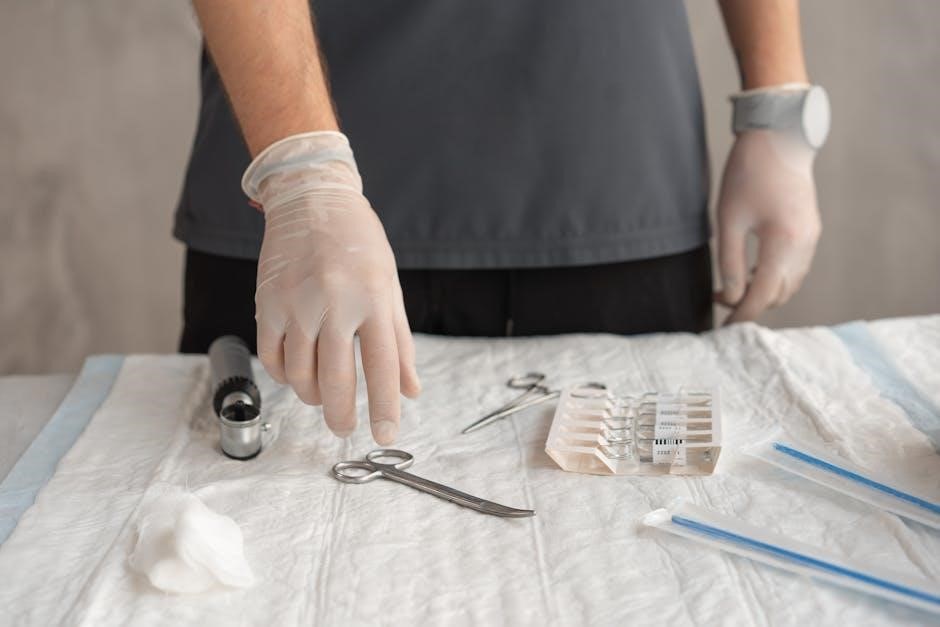
However, a key disadvantage is that if the suture breaks at any point, the entire wound closure can unravel. Therefore, careful knot placement and secure tying are crucial. Similar to CNN Türk’s live broadcasts delivering a continuous stream of information, this suture type offers uninterrupted coverage of the wound.
Continuous sutures are particularly useful for subcutaneous closures and skin edges with minimal tension, offering a streamlined and efficient approach to wound management.
Subcuticular Sutures
Subcuticular sutures are placed within the dermis, just beneath the skin’s surface, and are invisible once healed, leaving minimal scarring. This technique involves running a suture horizontally through the subcutaneous tissue, effectively eversion the skin edges. They are particularly favored in cosmetic surgery where aesthetic outcomes are paramount, offering a refined and discreet closure.
Unlike interrupted or continuous sutures that bite through all layers of tissue, subcuticular sutures rely on the tension of the dermal layer to approximate the skin. Similar to CNN Türk’s comprehensive coverage, these sutures provide a complete, yet hidden, solution.
These sutures often utilize monofilament materials to reduce the risk of infection and inflammation, and are typically removed after 5-7 days. They are ideal for low-tension wounds and areas where minimizing visible scarring is desired.
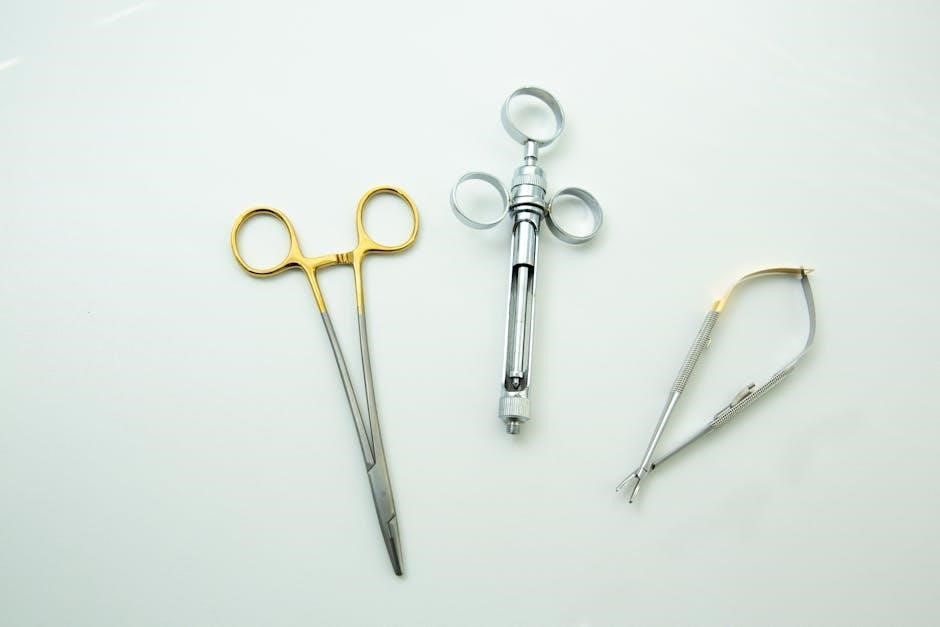
Specialized Sutures & Applications
Specialized sutures, like Monocryl and Vicryl Rapide, offer rapid absorption, while others incorporate antimicrobial coatings—such as triclosan—to combat infection effectively.
Monocryl and Vicryl Rapide – Rapidly Absorbing Sutures
Monocryl and Vicryl Rapide represent advancements in suture technology, specifically designed for rapid absorption within the body. These synthetic, absorbable sutures are frequently chosen for subcutaneous closures and soft tissue approximation where minimal long-term support is required.

Monocryl, a polyglactin 910 copolymer, provides excellent handling characteristics and knot security, while its relatively quick absorption profile—typically completed within 90-110 days—minimizes the need for suture removal. Vicryl Rapide, also a polyglactin 910 suture, boasts an even faster absorption rate, often resolving within 56-70 days.
This accelerated absorption is particularly beneficial in pediatric patients or situations where minimizing palpable suture material is desired. Both sutures are available in a range of sizes and configurations to accommodate diverse surgical needs, contributing to improved patient comfort and reduced post-operative complications. Their use reflects a commitment to optimizing wound healing and patient outcomes.
Sutures with Antimicrobial Coatings (e.g., Triclosan-coated sutures)
Sutures incorporating antimicrobial coatings, such as those utilizing Triclosan (Irgacare MP), represent a significant innovation in surgical wound management. These sutures are designed to actively combat bacterial colonization at the wound site, reducing the risk of surgical site infections (SSIs).
Triclosan, a purified medical-grade antimicrobial agent, is either impregnated within or coated onto the suture material, providing a localized and sustained release of the antibacterial compound. This proactive approach is particularly valuable in contaminated wounds, procedures with a high SSI risk, or immunocompromised patients.
Ethicon, a Johnson & Johnson Medical company, pioneered the development of Triclosan-coated sutures. While concerns regarding Triclosan’s broader environmental impact exist, its localized use in sutures offers a targeted benefit in preventing infections, potentially reducing antibiotic usage and improving patient outcomes. Careful consideration of risk-benefit profiles guides their application.